

Planting more trees could reduce deaths, Lancet’s new research shows
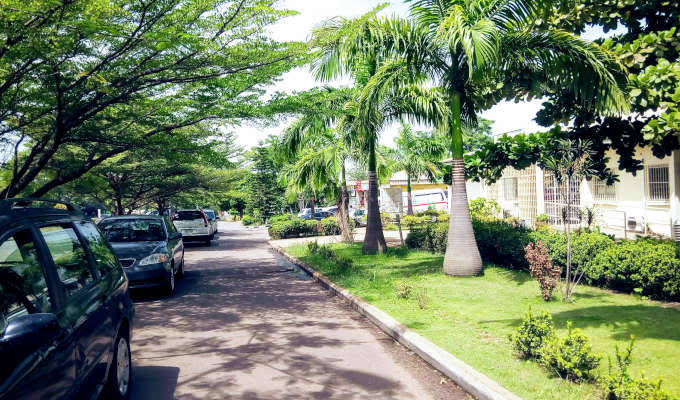
A new study by The Lancet shows that planting more trees could reduce summer heat wave-related deaths in urban areas by a third.
The study that modelled 93 European cities revealed that one-third (2644) of 6700 untimely deaths linked to high temperatures in cities in 2015 could have been averted by increasing tree cover by up to 30 per cent.
“We already know that high temperatures in urban environments are associated with negative health outcomes, such as cardiorespiratory failure, hospital admission, and premature death,” said lead author Tamara Lungman, a researcher at Barcelona Institute for Global Health.
She explained that the study was the first and largest of its kind to “look at premature mortality caused by higher temperatures in cities and the number of deaths that could be prevented by increasing tree cover.”
The Lancet’s researchers discovered cities record more heat wave-related deaths than the countryside.
The removal of vegetation, the presence of asphalt and the use of building materials that absorb and trap heat have been marked as factors that exacerbate global heating in urban areas.
The study notes that the cities with the largest number of heat-related fatalities were in Southern and Eastern Europe, particularly Cluj-Napoca, Romania, where the biggest temperature difference was reported at 4.1 degrees.
However, the research team from The Lancet recognised that increasing the number of trees planted in metropolitan areas should be supplemented with other climate-beneficial measures for a general drop in temperature in metropolitan areas.
“Our results suggest large impacts on mortality due to hotter temperatures in cities, and that these impacts could be partially reduced by increasing the tree coverage to help cool urban environments,” stated co-author Mark Nieuwenhuijsen, Director of Urban Planning, Environment and Health at the Barcelona Institute for Global Health.
Mr Nieuwenhuijsen encouraged “city planners and decision-makers to incorporate the urban green infrastructure adapted to each local setting whilst combining with other interventions to maximise the health benefits” for more sustainable and resilient cities.

We have recently deactivated our website's comment provider in favour of other channels of distribution and commentary. We encourage you to join the conversation on our stories via our Facebook, Twitter and other social media pages.

More from Peoples Gazette

States
Independence: NBA urges Nigerians to expect better future
The NBA said that ordinary Nigerians should be deriving benefit from the subsidy removal rather than hardship.

Agriculture
FG tasks ECOWAS on leveraging financing strategies for agroecology
The federal government has urged stakeholders in the agriculture and finance sectors in the West Africa region to leverage financing strategies to enhance agroecology practices

Politics
Katsina youths pledge to deliver over 2 million votes to Atiku
“Katsina State is Atiku’s political base because it is his second home.”
States
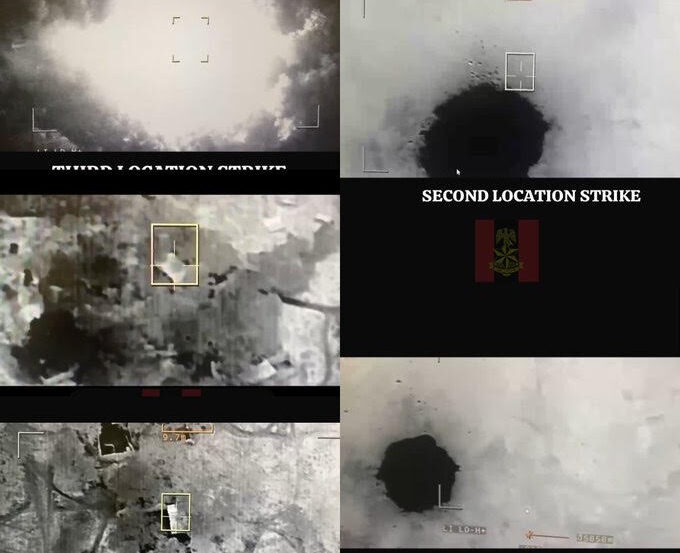
Troops kill 16 suspected ISWAP members in Borno
The statement said the operation was conducted using air and ground weapon systems.

States
Adamawa: Tompolo mobilises support for Tinubu’s 2027 re-election
He described Mr Tinubu as a courageous leader who prioritised the interests of Nigeria.

Heading 1
Trump offers $1 million reward to anyone reporting voter fraud
On Monday, 48 foreign nationals were charged with illegal voting and other election-related crimes.
Education
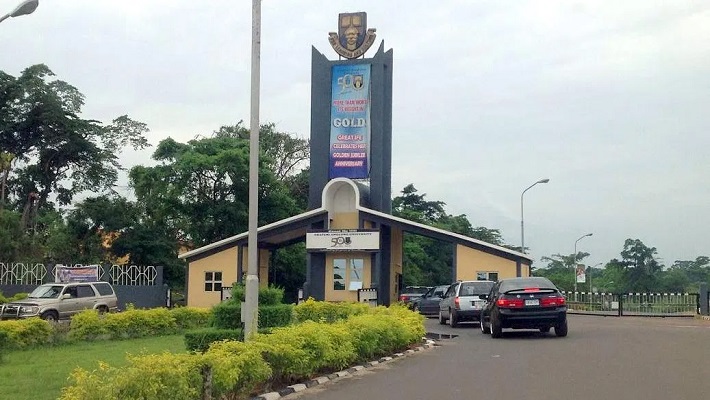
OAU resumes new academic session November 1
The school noted that registration for newly admitted students would begin on November 2.

Heading 5
Apple’s first foldable iPhone draws complaints over cracked screens
Apple released the iPhone Duo, its first foldable phone, earlier this year.

Sport
Lamine Yamal wins ‘Men’s young talent of the year’
The Spanish and Barcelona star played a key role in Spain’s World Cup victory.


