

Russia blocks wartime deal allowing Ukraine to ship grain by sea

Russia has blocked an “unprecedented wartime deal” that allows grain to flow from Ukraine to countries in Africa, the Middle East and Asia, a hit that could cause global food security.
Dmitry Peskov, the Kremlin spokesperson, announced halting the deal at a press conference on Monday, stressing that the warzone country would return to the deal after its demands are met.
“When the part of the Black Sea deal related to Russia is implemented, Russia will immediately return to the implementation of the deal,” Mr Peskov told reporters.
On Sunday, Vladimir Putin, Russian President, disclosed that Russia has a “sufficient stockpile” of cluster munitions, warning that the country “reserves the right to take reciprocal action” if Ukraine uses the controversial weapons.
Although, agreements that the UN and Turkey brokered with Ukraine and Russia to allow food and fertiliser from the warring nations to parts of the world where millions are hungry have eased concerns over global food security.
Last August, the Black Sea Grain Initiative allowed 32.8 million metric tons (36.2 million tons) of food to be exported from Ukraine – more than half to developing countries, including those getting relief from the World Food Program.
A separate agreement facilitated the movement of Russian food and fertiliser amid Western sanctions.
The warring nations are major global suppliers of wheat, barley, sunflower oil and other affordable food products that developing nations rely on.
Russia has complained that shipping and insurance restrictions have hampered its food and fertiliser exports, which are also critical to the global food chain.
The war in Ukraine caused food commodity prices to surge to record highs last year, contributing to a global food crisis.
Like the developing countries, the high costs of grain needed for food staples in places like Egypt, Lebanon, and Nigeria exacerbated economic challenges and pushed millions more people into poverty or food insecurity.
People in developing countries spend more money on meals, while poorer nations that depend on imported food priced in dollars also spend more as their currencies weaken.
Many are forced to import more because of climate issues, as places like Somalia, Kenya, Morocco and Tunisia are struggling with drought.
Prices for global food commodities like wheat and vegetable oil have fallen, but the food was already expensive before the war in Ukraine, and the relief hasn’t trickled down to kitchen tables.

We have recently deactivated our website's comment provider in favour of other channels of distribution and commentary. We encourage you to join the conversation on our stories via our Facebook, Twitter and other social media pages.

More from Peoples Gazette

Agriculture
FG tasks ECOWAS on leveraging financing strategies for agroecology
The federal government has urged stakeholders in the agriculture and finance sectors in the West Africa region to leverage financing strategies to enhance agroecology practices

Politics
Katsina youths pledge to deliver over 2 million votes to Atiku
“Katsina State is Atiku’s political base because it is his second home.”
States
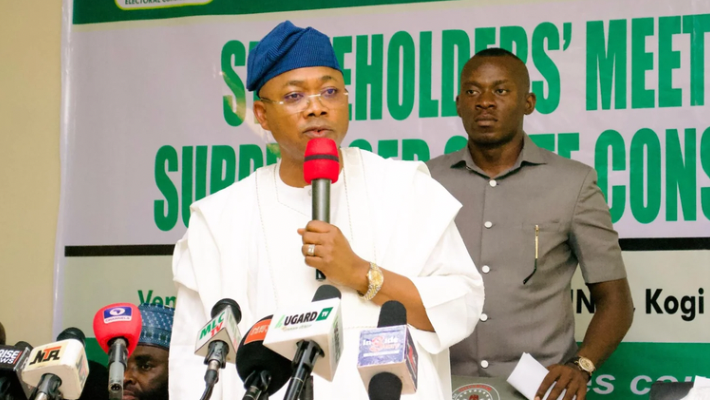
Tinubu advised me never to negotiate with criminals, Gov Ododo says
“I don’t play with criminals, and I don’t negotiate with them. I can tell you that, as far as Kogi State is concerned, we don’t have a department for ransom payment,” he said.

Heading 1
U.S. has spent $37.5 billion on Iran war: Hegseth
“The estimate we have as of today is $37.5 billion,” Mr Hegseth said.

Lagos
Slain Lagos NURTW organising secretary buried amid tears
Mr Ajiboye died days after he was attacked by gunmen.
Africa
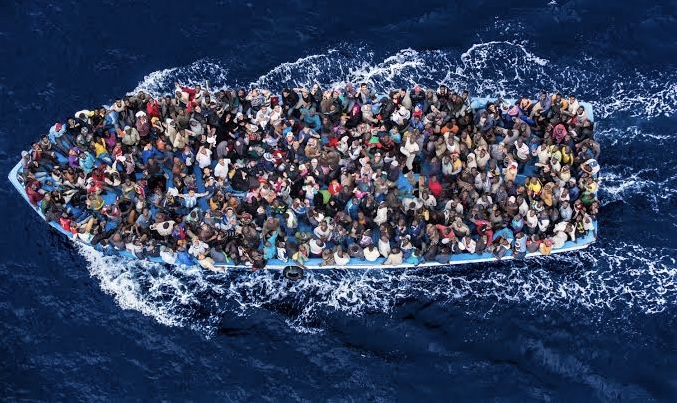
144 refugees, migrants dead, missing off Mauritania coast: UNHCR
“The refugees and migrants were reported dead or missing after attempting the perilous sea journey from West Africa towards Europe,” the agency said.
World
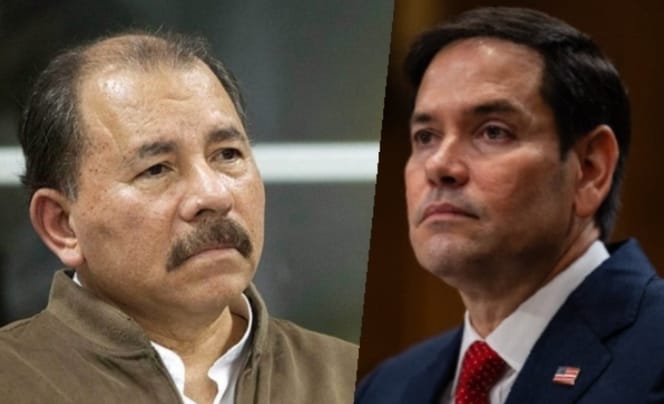
U.S. govt condemns Ortega’s ban on elections in Nicaragua
Mr Rubio urged the international community to rise against Mr Ortega’s dictatorship.
World
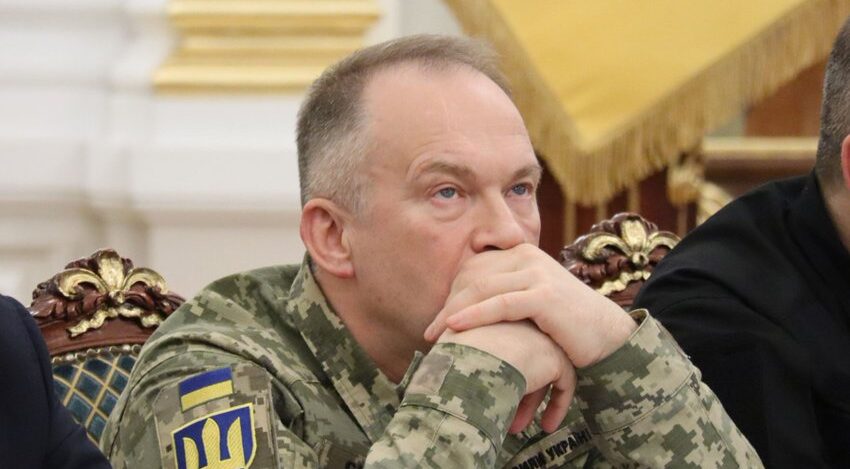
Zelensky sacks Ukraine’s top general after firing defence minister
Mr Syrskyi’s dismissal came days after Mr Zelensky fired Ukraine’s defence minister, Mykhailo Fedorov, a decision that sparked protests across the country.


