

Most Nigerian kidnappers are Fulani: Sultan of Sokoto
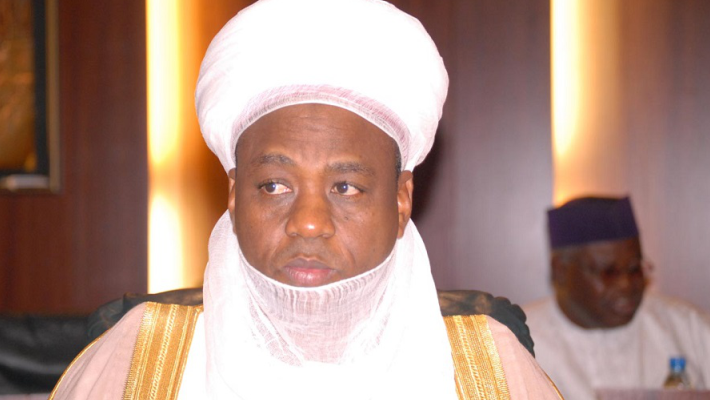
The Sultan of Sokoto, Sa’ad Abubakar III, has acknowledged that many Fulanis pastoralists are perpetrators of kidnappings and other vices across the country.
Peoples Gazette reports that over the past months, there have been incessant kidnappings and other crimes in several parts of the country, some of which are attributed to activities of Fulani herdsmen.
In a meeting with the Miyetti Allah Cattle Breeders’ Association (MACBAN) in Abuja, on Friday, Mr. Abubakar said it was wrong to label all Fulanis criminals even though some are responsible for such crime, according to The Nation.
“It is not proper to refer to any tribe by the crime perpetrated by individuals,” he said, adding that some Fulanis also work alongside people from other ethnic groups.
The Sultan who doubles as the Chairman, Board of Trustees (BoT) of the MACBAN, while citing an instance said “when they collected N10m, where and how do you spend this amount in the bush? The money is back in the city.”
The meeting follows an ultimatum given to herdsmen in Ondo State by Governor Rotimi Akeredolu who asked them to vacate the country’s forest reserves.
There was also crisis in Ibarapa land in Oyo state, after the fulani herdsmen were accused of kidnapping, rapes among other crimes.
Speaking further, Mr. Abubakar acknowledged that seven to eight arrested kidnappers are fulanis, just as he maintained that “I have told the Inspector General of Police to check this. We are not saying Fulani are not part of the kidnappings as mentioned by the Secretary of Miyetti Allah.
“Seven to eight kidnappers arrested are Fulani, but that doesn’t mean every Fulani is a criminal. No, they are not.”
It is however not clear how the revered religious leader arrived at the statistics.
He further called for collaboration of the security officers and the government in curbing the menace.
He added; “We are going to approach the President to talk to our West African neighbours where we have Fulani like Senegal, Niger Republic, Guinea, and Mali, to help us, because most of these bandits cross from neighbouring countries to conduct their criminal acts and run back.”

We have recently deactivated our website's comment provider in favour of other channels of distribution and commentary. We encourage you to join the conversation on our stories via our Facebook, Twitter and other social media pages.

More from Peoples Gazette

States
Independence: NBA urges Nigerians to expect better future
The NBA said that ordinary Nigerians should be deriving benefit from the subsidy removal rather than hardship.

Agriculture
FG tasks ECOWAS on leveraging financing strategies for agroecology
The federal government has urged stakeholders in the agriculture and finance sectors in the West Africa region to leverage financing strategies to enhance agroecology practices

Politics
Katsina youths pledge to deliver over 2 million votes to Atiku
“Katsina State is Atiku’s political base because it is his second home.”
Sport
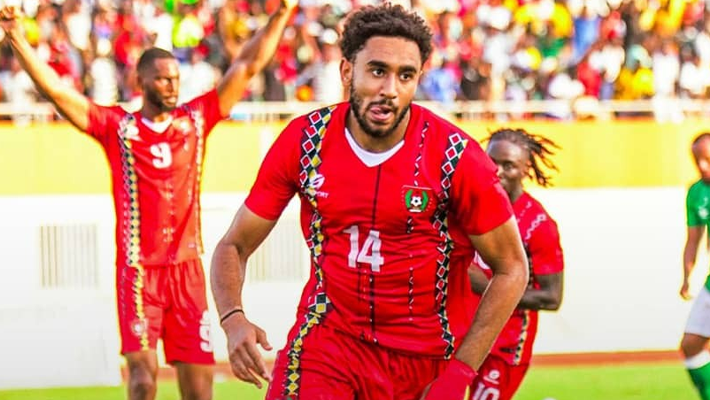
2027 AFCON Qualifier: Guinea-Bissau beat Madagascar, extend lead over Nigeria in Group L
Guinea-Bissau now have 10 points, Nigeria seven points, while Madagascar and Tanzania have two points each.
Africa
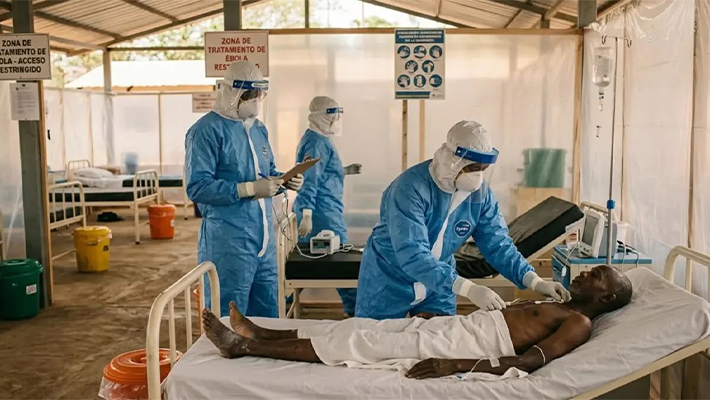
WHO raises concern over rising Bundibugyo Ebola deaths, insecurity in DR Congo
Mr Ghebreyesus said the outbreak, declared six months ago, had spread across 67 health zones in eight provinces in the DR Congo.

Africa
Afreximbank urges industries to boost intra-African trade as alternative to China in global markets
“As global markets look to diversify production beyond China, Africa must position itself as a natural partner of choice,” Mr Maayergi said.
World
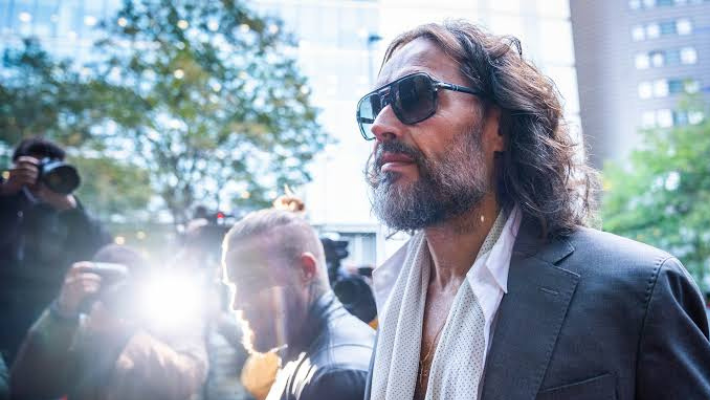
Russell Brand faces probe over prison message to supporters
Mr Brand was convicted at Southwark Crown Court of one count of rape and three counts of sexual assault.
Politics
Tinubu admits cost-of-living crisis after APC dismissed widespread hunger claims
According to Mr Tinubu, the 2027 election is about the country’s future and direction.

World
WHO pushes for stronger vaccination, screening, treatment to eliminate cervical cancer
WHO said that expanding HPV vaccination, improving screening access, and ensuring timely treatment are critical to protecting women.


