

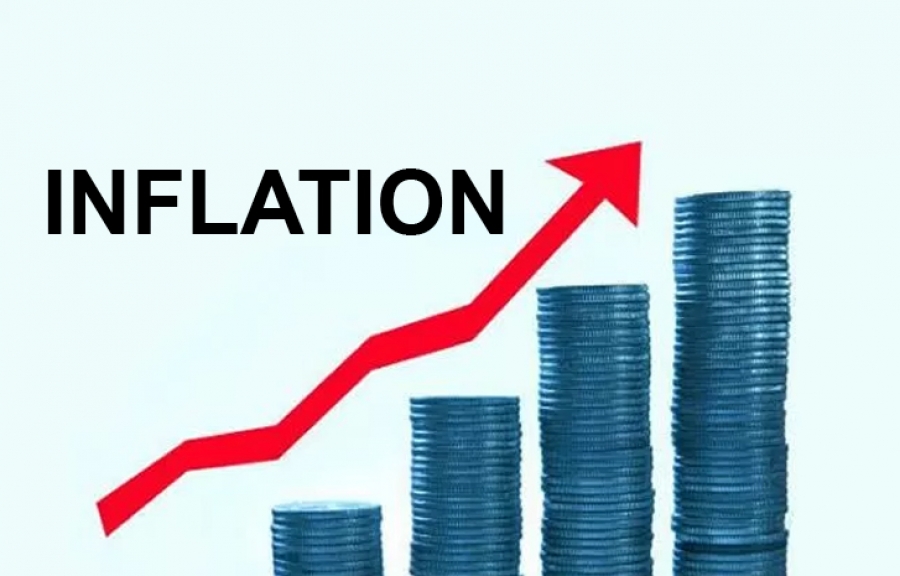
The NBS explained in its report that Nigeria’s annual inflation rate had risen from 22.22 per cent in April to 22.41 per cent in May.
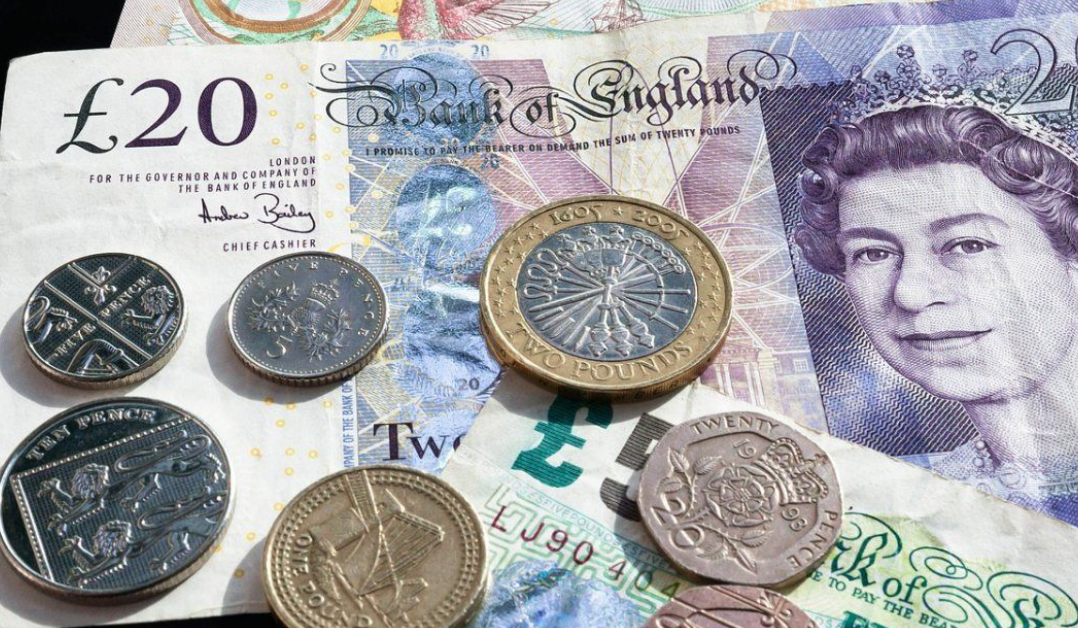
British inflation has eased back to its lowest level since March 2022 but remained higher than expected as food prices continued to rise at a near-record pace.
The companies had a market valuation of $4.34 trillion in April 2022, but that figure plummeted to $3.53 trillion in 2023.

It was the 6th consecutive time that the committee would hike the MPR, which was the baseline lending rate in the economy.
The yearly inflation rate in Argentina has exceeded 100 per cent for the first time since 1991, reaching 102.5 per cent in February.

The increase in the food index rate was tied to an increase in the prices of certain food items such as oil and fat, bread and cereals, fish, potatoes, yams and tubers, and so on.
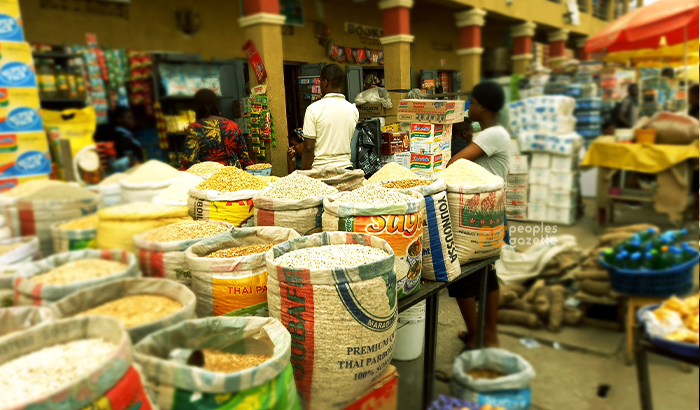
According to the UN, nearly 25 million Nigerians are at risk of hunger between June and August this year if urgent action is not taken.

One of the experts advocated for the establishment of state police to tackle the situation.

The most recent development suggests that Nigeria’s inflation rate has reached its highest point since September 2005, when it was 24.32 per cent.

The new figure is an increase from the 20.77 per cent figure recorded in September.


