

Transparency International has urged authorities in the U.S. and the Netherlands to reopen investigations into Eni and Shell for alleged bribe-paying in Nigeria.
Corrupt transnational networks of businesses and their enablers leave a trail of harm – pushing out competitors, bypassing regulations and draining public budgets of resources.

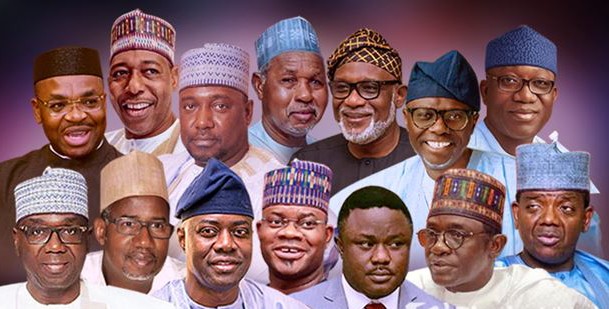
According to the Centre for Fiscal Transparency and Integrity Watch (CeFTIW), the ranking was designed to prevent corruption in public office.

“Corruption is and remains a significant threat to democracy and democratic institutions, and poses a significant hindrance to African states in realising Agenda 2063.”
Transparency International’s call comes after the release of the Russian Asset Tracker by the Organised Crime and Corruption Reporting Project.
The anti-graft organisation believes that the new policy was “a major step to curb dirty money”.
“In the Corruption Perceptions Index 2021, Nigeria ranks 154 out of 180 countries and territories, falling back five places from the rank of 149 in 2020.”

“Even the so-called security vote that people are talking about has dropped drastically. Some of us don’t even have any security vote,” claimed Mr Badaru.
The anti-corruption body notes that Senegalese authorities have been stalling on fully investigating the situation and holding perpetrators accountable.

“Nigeria faces considerable corruption risk across its defence institutions, with extremely limited controls in operations and procurement.”


