

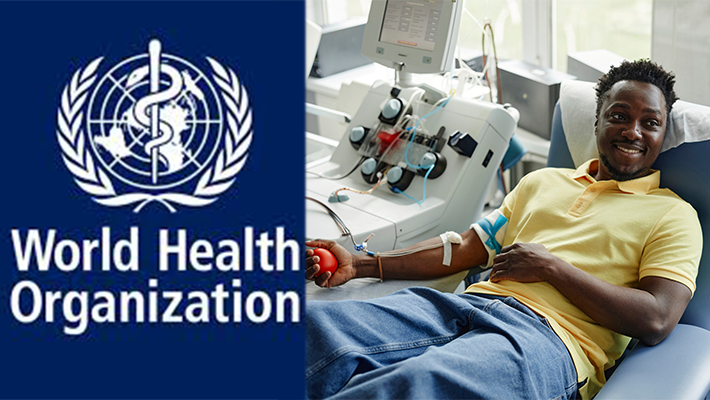
Mr Ghebreyesus said voluntary, unpaid blood donors now accounted for more than 85 per cent of global blood collections, up from 78 per cent a decade ago.
A statement noted that the fund would help African countries and partners to strengthen Ebola preparedness, early detection and rapid response measures.

The WHO said nearly 750 suspected cases and 177 suspected deaths suggested the outbreak was larger.

According to WHO, prequalification confirms the treatment meets international standards for safety.

The World Health Organisation has called on people everywhere to renew their commitment to working together and supporting science as the twin engines driving better health.
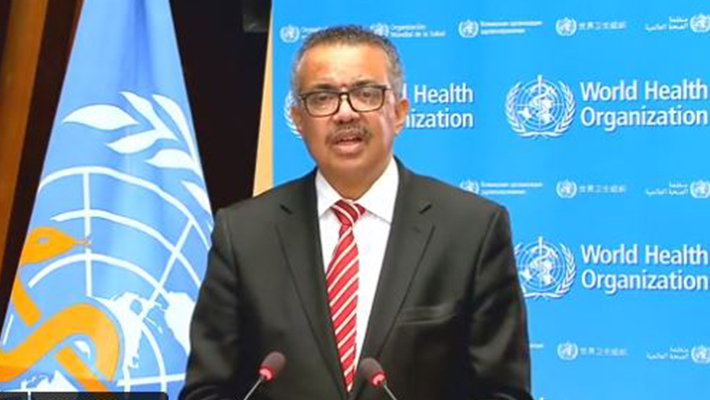
The U.S. formally withdrew from the WHO on Thursday.
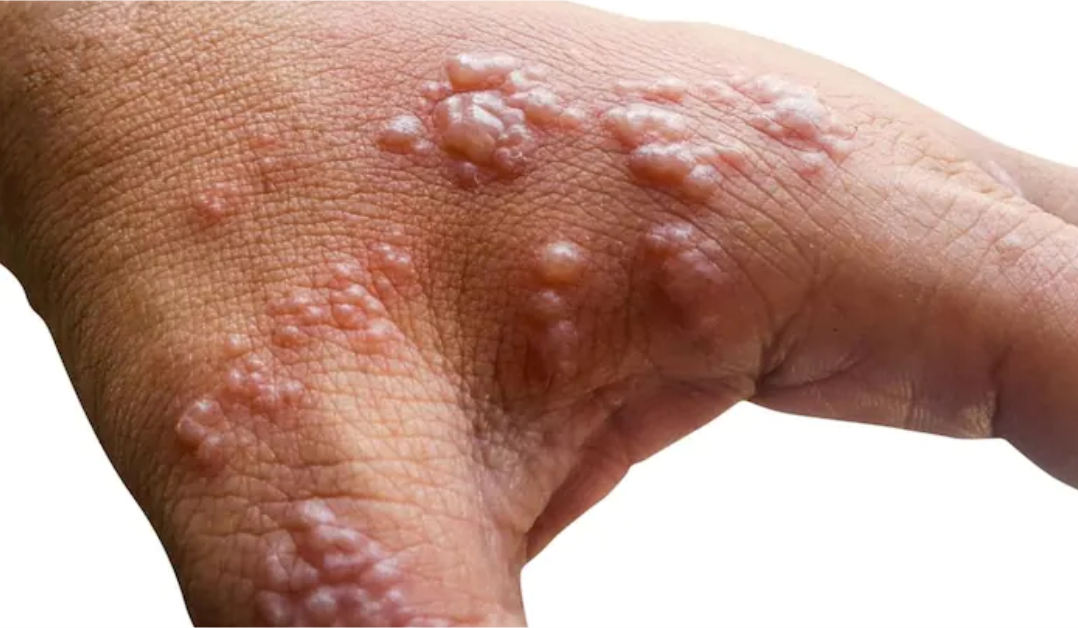
“The upsurge of mpox in the Democratic Republic of the Congo and its spread to neighbouring countries” informed the decision.
The groups noted that funding cuts to global health could have negative impact on the gains of consistent vaccination in the past five decades.
The “meningitis belt” in sub-Saharan Africa, which faces recurrent epidemics of meningococcal meningitis, is especially at risk.

Mr Ghebreyesus linked more than 95 per cent of the 660 000 cervical cancer cases occurring globally each year to HPV.


