

UN hails Nigeria-Morocco gas pipeline project as booster of Africa’s energy security
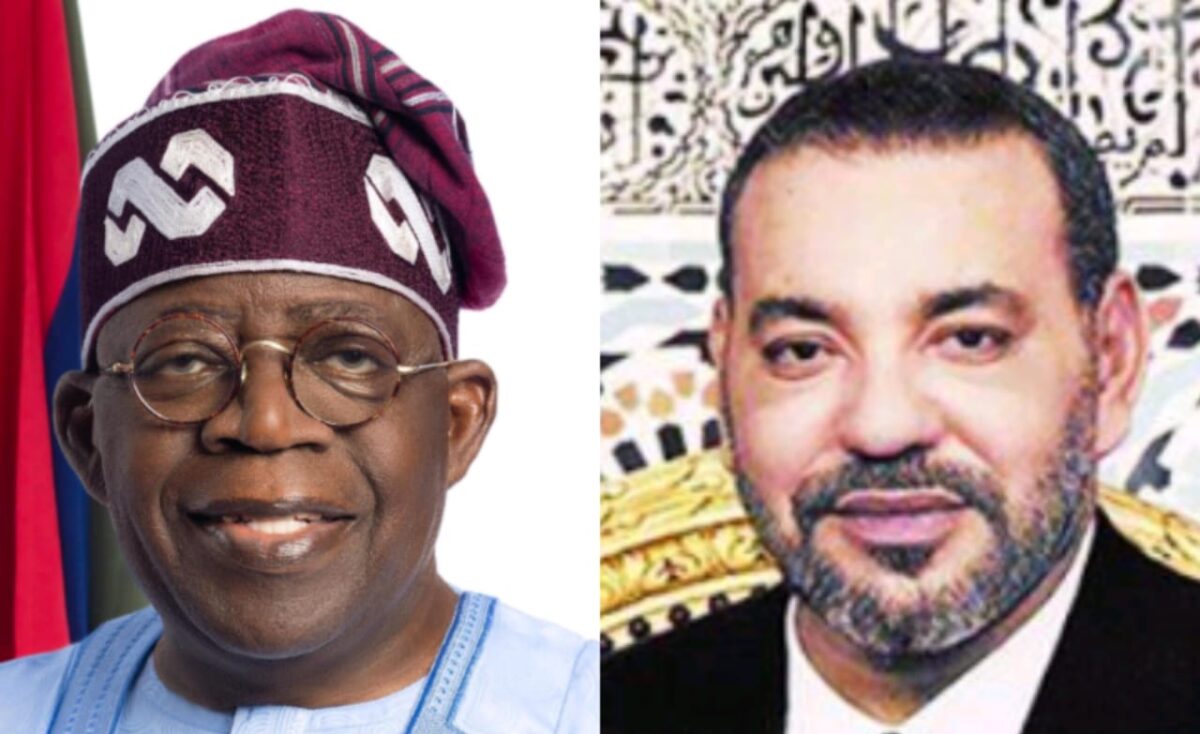
The United Nations Economic Commission for Africa (ECA) has hailed the Nigeria–Morocco gas pipeline project as a major initiative to expand energy access across Africa.
The ECA said the ambitious infrastructure project, expected to connect 13 African countries, would strengthen regional energy connectivity and support economic development. Its executive secretary, Claver Gatete, made the remarks during an interactive dialogue with the UN General Assembly’s Second Committee in New York.
Mr Gatete identified the Nigeria-Morocco gas pipeline as a key example of cross-border energy infrastructure that could help address Africa’s persistent electricity shortages. He said the commission particularly appreciated the initiative, which was expected to extend natural gas supplies across West Africa and beyond.
Mr Gatete described it as “the gas pipeline which cuts 13 countries”, adding that it would eventually provide energy to many other African countries. The UN official made the remarks while responding to questions from Member States on regional infrastructure, development financing and economic integration.
The Nigeria-Morocco gas pipeline, also known as the African Atlantic Gas Pipeline (AAGP), is a strategic project Nigeria and Morocco jointly initiated in 2016. The project is designed to transport Nigerian natural gas through West African countries to Morocco, with the potential to extend supplies to European markets.
According to ECOWAS, the proposed pipeline network will span approximately 6,800 kilometres, including about 5,100 kilometres of offshore infrastructure.
The regional organisation estimated the project’s cost at approximately $26 billion, describing it as a major investment in regional energy security. ECOWAS said the infrastructure would help expand electricity generation, stimulate industrialisation, strengthen agricultural production and create employment opportunities across participating countries.
Mr Gatete said Africa’s inadequate electricity supply remained a major obstacle to attracting investment and achieving the continent’s economic transformation objectives. He said about 600 million Africans still lacked access to electricity, underscoring the urgent need for substantial investments in energy infrastructure.
The ECA chief emphasised the importance of regional power pools, explaining that interconnected electricity systems could create more attractive environments for investors. He identified energy connectivity, alongside domestic resource mobilisation and improved creditworthiness, as essential requirements for Africa’s sustainable development.
On continental economic integration, Mr Gatete disclosed that 50 African countries had ratified the African Continental Free Trade Area (AfCFTA) agreement. He said 44 of the agreement’s 54 signatories had developed national implementation strategies with technical support from ECA.
According to him, intra-African trade currently accounts for approximately 17 per cent of the continent’s trade, considerably below comparable levels in Asia and Europe.
Mr Gatete said the commission was supporting the development of regional value chains to enable African countries to process their resources, expand manufacturing and trade more competitively. He maintained that strengthening energy infrastructure, regional trade and connectivity would help Africa translate its abundant natural resources into industrial development and sustainable economic growth.
(NAN)

We have recently deactivated our website's comment provider in favour of other channels of distribution and commentary. We encourage you to join the conversation on our stories via our Facebook, Twitter and other social media pages.

More from Peoples Gazette

States
Independence: NBA urges Nigerians to expect better future
The NBA said that ordinary Nigerians should be deriving benefit from the subsidy removal rather than hardship.

Agriculture
FG tasks ECOWAS on leveraging financing strategies for agroecology
The federal government has urged stakeholders in the agriculture and finance sectors in the West Africa region to leverage financing strategies to enhance agroecology practices

Politics
Katsina youths pledge to deliver over 2 million votes to Atiku
“Katsina State is Atiku’s political base because it is his second home.”

Economy
UN chief seeks increased investment in clean electricity
Mr Guterres made the call during a high-level dialogue on clean energy transition and electrification, titled ‘35 by 35: Powering the Future’, in Antalya, Türkiye.
Opinion
Rudolf Okonkwo: Diary of an African travelling across Europe
The Europeans who once crossed oceans to divide Africa among themselves have now found ways to bring much of their own continent together.

Showbiz
Meta deactivates Russell Brand’s Instagram, Facebook accounts after rape sentencing
Meta has deactivated British former comedian and actor Russell Brand’s Instagram and Facebook accounts following his conviction and sentencing for four sexual offences.

Abuja
NSITF: EFCC continues N2 billion fraud trial against ex-labour minister Chris Ngige
The Economic and Financial Crimes Commission, EFCC, says it has continued prosecuting former labour minister Chris Ngige over alleged abuse of office.

Economy
Stock market loses N293 billion as profit-taking persists
The Nigerian stock market closed on a negative note on Wednesday as investors’ wealth declined by N293 billion.

Health
Domestic TB funding rose 14% to $5.6 billion, says WHO
WHO says domestic funding for TB rose 14 per cent to $5.6 billion between 2024 and 2025, helping sustain essential services despite declining international financing.


