

Vaccines averted over 150 million deaths from Ebola, measles, others in past 50 years, says WHO

The World Health Organisation (WHO) has said in the past 50 years, vaccines have saved over 150 million lives, as ordinary people chose to protect themselves, their children and their communities from diseases such as measles, diphtheria, pertussis, polio, and rotavirus.
The WHO, made the disclosure in a statement on Friday as World Immunisation Week, begins, which runs from April 24 to 30.
During the World Immunisation Week, WHO and partners are highlighting the benefits of vaccines at every stage of life, as well as the scientific breakthroughs which led to tried and tested inoculations against contracting malaria, HPV, cholera, dengue, meningitis, RSV, Ebola and mpox.
This year marks the midpoint of Immunisation Agenda 2030, a global push, led by WHO, to ensure that everyone can benefit from life-saving vaccines.
A report to assess the progress made so far found that, despite unprecedented challenges – including the COVID-19 pandemic, geopolitical instability, climate disruption and limited financing – immunisation efforts over the past five years had averted millions of deaths.
However, most of the targets remain off track, with persistent gaps in routine coverage, equity and outbreak prevention across many countries.
The UN health agency calls for renewed commitments to build more sustainable national programmes, stronger integration with primary healthcare, and more prioritisation on the part of global health agencies and partners.
On Friday, the WHO, along with the UN children’s agency (UNICEF) and the Vaccine Alliance (GAVI), announced that The Big Catch-up, an historic international effort to address vaccination declines driven largely by the COVID-19 pandemic, reached an estimated 18.3 million children aged one to five across 36 countries, since its launch in 2023.
The campaign also provided 23 million doses of inactivated polio vaccine (IPV) to unvaccinated and undervaccinated children, an essential intervention towards polio eradication.
The initiative is predicted to be on track to meet its target of vaccinating at least 21 million children. (NAN)

We have recently deactivated our website's comment provider in favour of other channels of distribution and commentary. We encourage you to join the conversation on our stories via our Facebook, Twitter and other social media pages.

More from Peoples Gazette

States
Independence: NBA urges Nigerians to expect better future
The NBA said that ordinary Nigerians should be deriving benefit from the subsidy removal rather than hardship.

Agriculture
FG tasks ECOWAS on leveraging financing strategies for agroecology
The federal government has urged stakeholders in the agriculture and finance sectors in the West Africa region to leverage financing strategies to enhance agroecology practices

Politics
Katsina youths pledge to deliver over 2 million votes to Atiku
“Katsina State is Atiku’s political base because it is his second home.”

Lagos
Customs hands over seized cannabis worth over N2.26 billion to NDLEA
The controller attributed the success to intelligence-led enforcement, modern technology, and collaboration among security agencies.
Economy
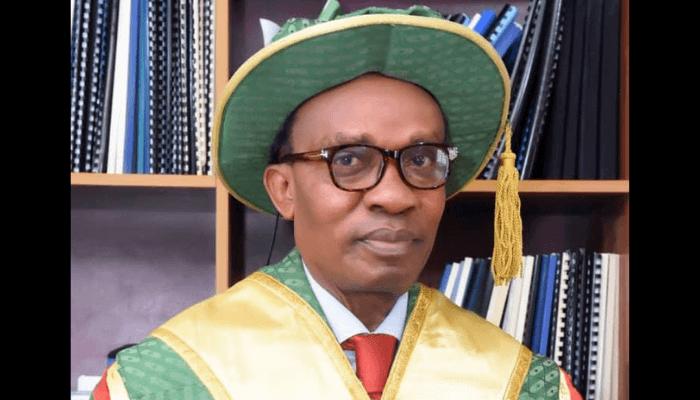
Achievers University VC advises Trinity University graduates on integrity, competence, innovation
Mr Ayorinde warned aspiring entrepreneurs against borrowing without carefully assessing repayment obligations.
Hot news Home top
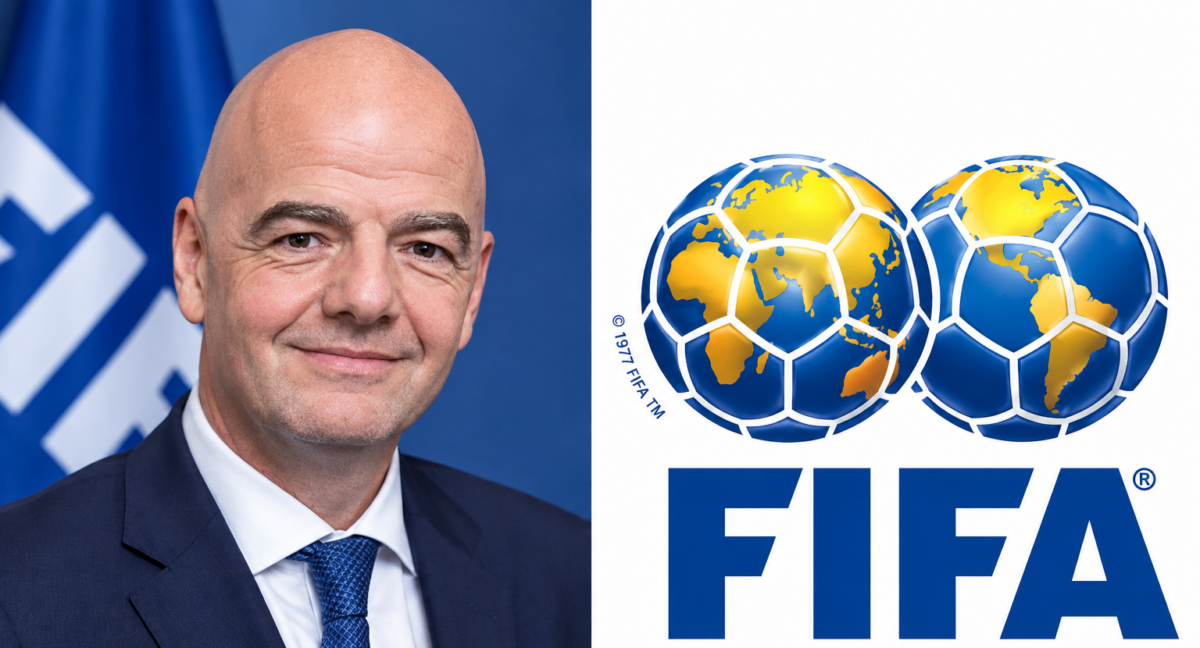
FIFA president Infantino apologises over failed World Cup sales plan amid UEFA pressure
The Union of European Football Associations (UEFA) also demanded that Mr Infantino release documents relating to the proposed sale of stakes in FIFA.

NationWide
Lagos Health College’s polytechnic status will create opportunities for Nigerians: Official
Mr Akewushola said the retreat would strengthen the institution ahead of its transition from a monotechnic to a polytechnic.
NationWide
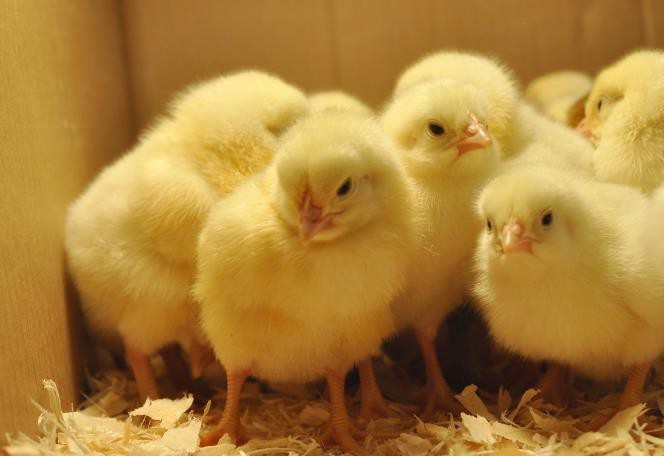
Group canvasses investment in day-old chick production
Mr Adeshola said the rising cost of day-old chicks was detrimental to poultry sector growth.

Heading 2
Mustapha Abdullahi defeats Oyedeji, others to emerge NBBF president
Mr Abdullahi secured 40 of 48 votes cast.


