

WHO calls for urgent action to eliminate hepatitis by 2030
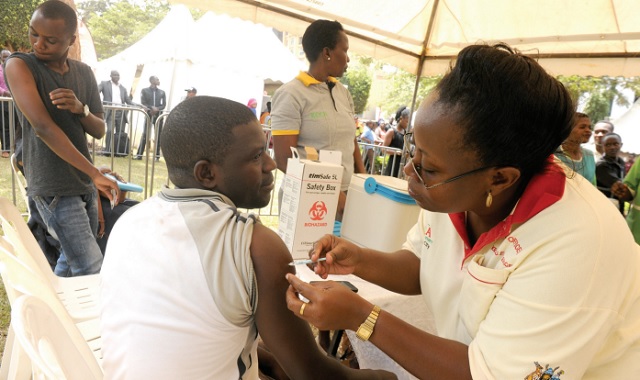
The World Health Organisation says global efforts to combat viral hepatitis are yielding measurable progress in reducing infections and deaths, but the disease remains a major global health challenge requiring sustained action worldwide.
In a statement released Tuesday at the World Hepatitis Summit, the organisation cited a new report showing hepatitis B and C caused 1.34 million deaths globally in 2024.
The report noted that transmission continued, with more than 4,900 new infections daily, or about 1.8 million annually, underscoring persistent spread despite expanded prevention, testing, and treatment interventions worldwide.
“Since 2015, significant gains include a 32 per cent drop in new hepatitis B infections and a 12 per cent decline in hepatitis C-related deaths, alongside improved childhood vaccination coverage in regions.
“Hepatitis B prevalence among children under five has fallen to 0.6 per cent, with 85 countries meeting or surpassing the 2030 target of 0.1 per cent, reflecting sustained coordinated global action recently achieved,” it said.
However, the report warned progress remained too slow and uneven to meet all 2030 elimination targets, calling for accelerated prevention, expanded testing, and broader access to effective treatment worldwide.
WHO director-general Tedros Ghebreyesus said elimination was possible with political commitment and reliable financing, but many people remained undiagnosed and untreated due to stigma, weak health systems, and inequitable access.
He said updated estimates showed 287 million people lived with chronic hepatitis B or C in 2024, including 0.9 million new hepatitis B infections, with Africa accounting for 68 per cent of those cases.
“Only 17 per cent of newborns in the African region received the hepatitis B birth dose, while 0.9 million hepatitis C infections occurred, linked to unsafe injections and inadequate harm reduction services.
“In spite of effective vaccines and treatments, including a short-course hepatitis C cure exceeding 95 per cent, fewer than five per cent of hepatitis B patients receive therapy, and only 20 per cent are treated globally,” he said.
(NAN)

We have recently deactivated our website's comment provider in favour of other channels of distribution and commentary. We encourage you to join the conversation on our stories via our Facebook, Twitter and other social media pages.

More from Peoples Gazette

States
Independence: NBA urges Nigerians to expect better future
The NBA said that ordinary Nigerians should be deriving benefit from the subsidy removal rather than hardship.

Agriculture
FG tasks ECOWAS on leveraging financing strategies for agroecology
The federal government has urged stakeholders in the agriculture and finance sectors in the West Africa region to leverage financing strategies to enhance agroecology practices

Politics
Katsina youths pledge to deliver over 2 million votes to Atiku
“Katsina State is Atiku’s political base because it is his second home.”

States
Tinubu, Sanwo-Olu falsely took credit for Lekki Deep Seaport I built: Amaechi
Mr Amaechi, the running mate to Atiku Abubakar, promised to develop the Gelegele Seaport in Edo State if elected to office.

Politics
We’ll make campaign difficult for ‘lunatic’ Amaechi in Rivers if he keeps insulting Tinubu’s supporters: Wike
Mr Wike also accused Mr Amaechi of failing to account for funds spent on projects during his tenure as governor of Rivers State.

Heading 3
Oyedele defends Tinubu’s 30-day fuel subsidy, says it’s discount
“The discount is not funded by the federal budget or the federation account,” Mr Oyedele said.
Heading 1
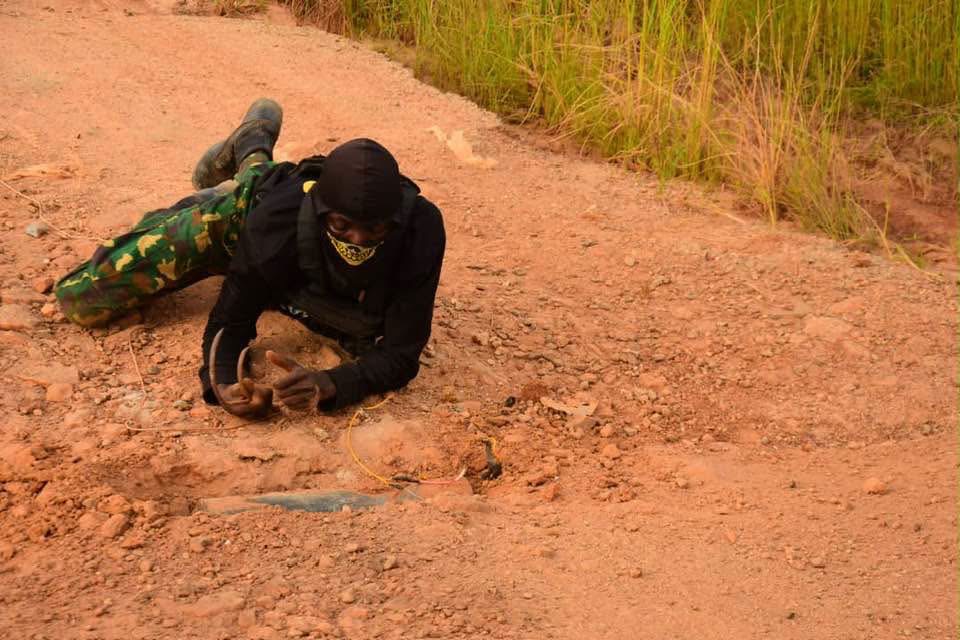
Troops neutralise IEDs planted along Zamfara road
The army said an explosive ordnance disposal team was subsequently deployed to destroy one device.
NationWide
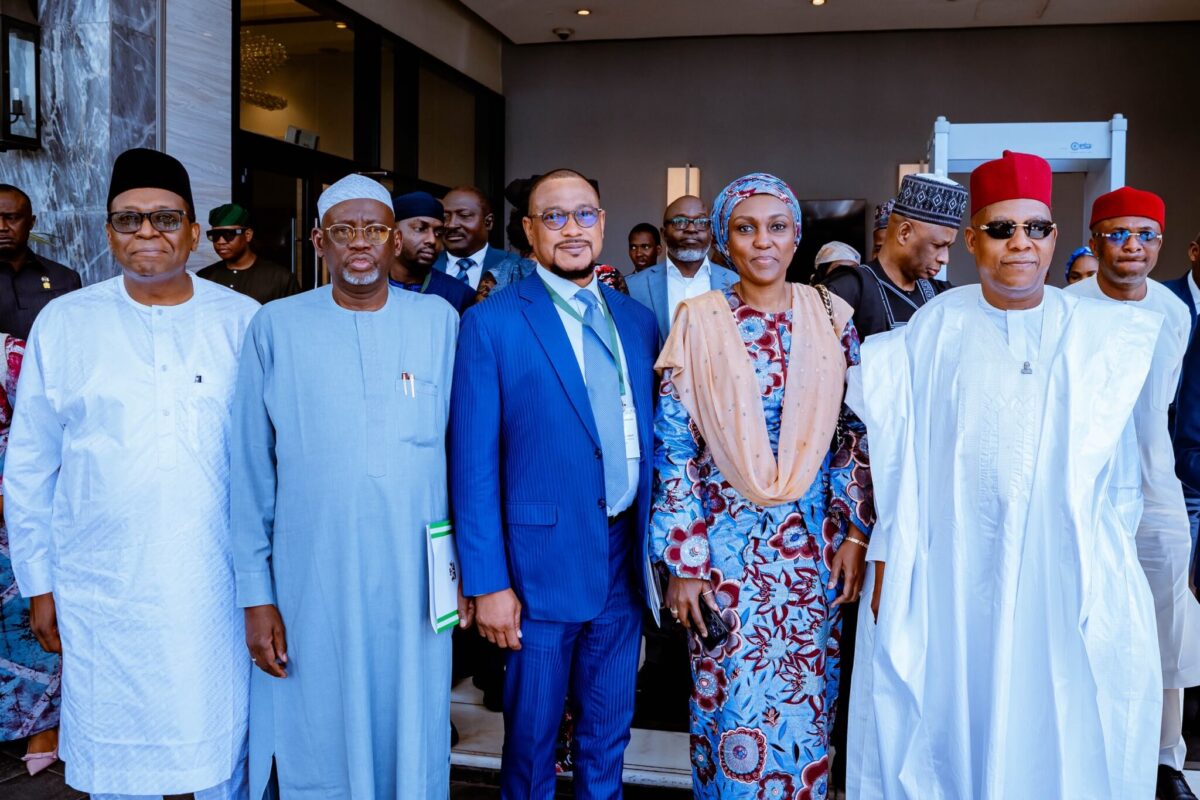
FG, states move to improve grassroots nutrition delivery
Mr Alausa said nutrition interventions should begin during pregnancy and continue through the critical early stages of childhood development.
Anti-Corruption
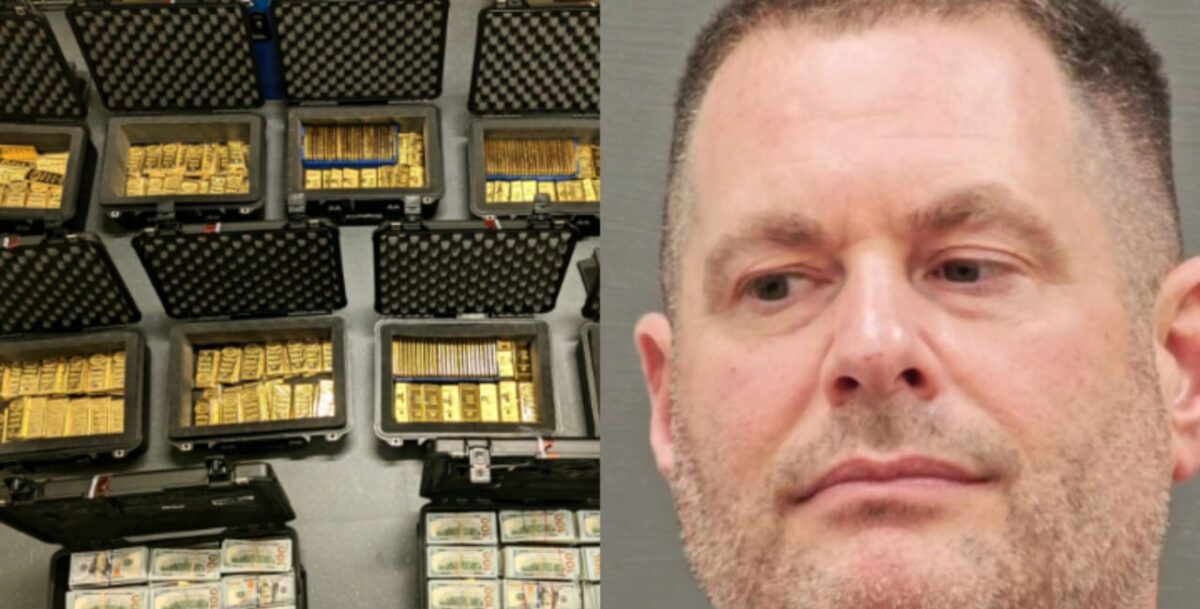
CIA official dupes U.S. govt, splurges $194 million on gold, real estate, Rolexes, 2026 BMW Alpina cars
The FBI recovered 298 gold bars, $2,106,550 in cash, €104,795, numerous luxury watches, and two 2026 BMW Alpina vehicles from Mr Rush. He faces 20 years in prison.


