

WHO urges countries to accelerate access to cataract surgery

The World Health Organisation (WHO) has urged countries to accelerate efforts to ensure that millions of people living with cataract can access simple, sight restoring surgery.
The organisation said this in a statement on Wednesday, citing a new study published in the Lancet Global Health.
According to the release, it was one of the most effective and affordable interventions to prevent avoidable blindness.
It highlighted the scale of the challenge: nearly half of all people across the world facing cataract related blindness still need access to surgery.
“Cataract the clouding of the eye’s lens that causes blurred vision and can lead to blindness affects more than 94 million people globally.
“Cataract surgery–a simple 15-minute procedure–is one of the most cost-effective medical procedures, providing immediate and lasting restoration of sight.
“Over the past two decades, global coverage of cataract surgery has increased by about 15 per cent, even as ageing populations and rising cataract cases have increased overall demand,’’ it said.
According to it, the latest modelling predicts the coverage for cataract surgery to rise by about 8.4 per cent for this decade.
The statement, however, noted that there was need to accelerate sharply to meet the World Health Assembly target of a 30 per cent increase by 2030.
Dr Dévora Kestel, director, WHO Department of Noncommunicable Diseases and Mental Health, said that cataract surgery was one of the most powerful tools available to restore vision and transform lives.
“When people regain their sight, they regain independence, dignity, and opportunity.” Ms Kestel said.
According to her, the study, which analysed reports from 68 country estimates for 2023 and 2024, shows that the African region faces the greatest gap with three in four people who need cataract surgery remaining untreated.
“Women are disproportionately affected across all regions, consistently experiencing lower access to care than men.
“These gaps reflect long-standing structural barriers, including shortages and unequal distribution of trained eye-care professionals, high out-of-pocket costs, long waiting times, and limited awareness or demand for surgery, even where services exist.
She said that in addition, while age was the primary risk factor for cataract, other contributors such as prolonged UV-B exposure, tobacco use, corticosteroid use, and diabetes can accelerate its development.
According to her, solutions for closing the gap is ending unnecessary blindness from cataract are essential and achievable.
“Other countries can accelerate progress by integrating vision screening and eye examinations into primary health care.
“Investing in essential surgical infrastructure, and expanding and better distributing the eye-care workforce, particularly in rural and underserved areas.
“Targeted efforts to prioritise women and marginalised communities will be critical to reducing persistent inequities and ensuring that gains in access benefit everyone,’’ she said.
According to her, WHO is calling on governments, civil society, and partners to build on existing momentum, address gender and geographic inequities, and prioritize underserved populations.
She said that with sustained commitment, cataract surgery can move from being out of reach for millions to a universally accessible intervention, helping to end avoidable blindness worldwide.
(NAN)

We have recently deactivated our website's comment provider in favour of other channels of distribution and commentary. We encourage you to join the conversation on our stories via our Facebook, Twitter and other social media pages.

More from Peoples Gazette

States
Independence: NBA urges Nigerians to expect better future
The NBA said that ordinary Nigerians should be deriving benefit from the subsidy removal rather than hardship.

Agriculture
FG tasks ECOWAS on leveraging financing strategies for agroecology
The federal government has urged stakeholders in the agriculture and finance sectors in the West Africa region to leverage financing strategies to enhance agroecology practices

Politics
Katsina youths pledge to deliver over 2 million votes to Atiku
“Katsina State is Atiku’s political base because it is his second home.”

States
Turkish Airlines increases Lagos flights from seven to 10 weekly
The statement added that the increase was aimed at meeting the growing travel demand between Nigeria and Türkiye.

States
Gov Yusuf condoles victims of bandit attack in Kano
Mr Yusuf assured residents that the state government was intensifying efforts to strengthen security through collaboration with relevant security agencies.
Africa
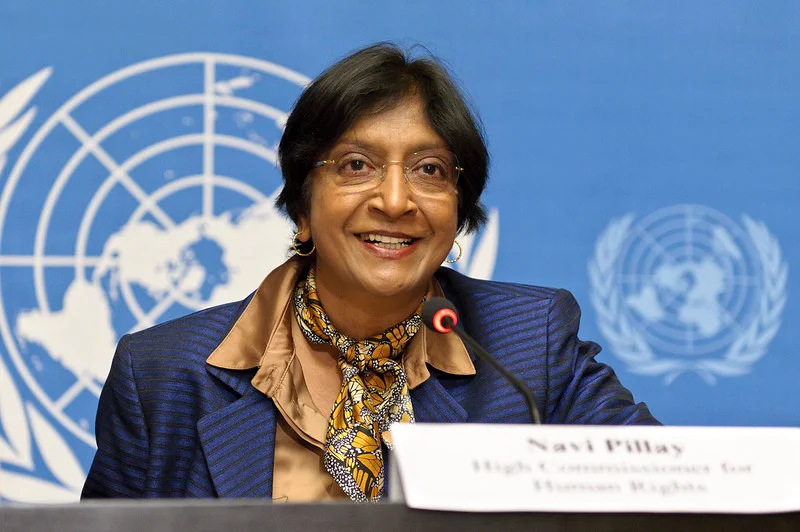
African Bar Association congratulates Navi Pillay for winning 2026 Nobel Peace Prize
Ms Pillay made history as the first Black woman appointed to the High Court of South Africa.

Politics
INEC includes APC’s Chinda in final list, removes NDC candidates in Kano, Nasarawa
INEC recognised Mr Chinda as a candidate in the 2027 election amid questions about the validity of his nomination.

States
Navy uncovers 31 illegal refining pits in Rivers
Mr Folorunsho said the sites were discovered in Ogbogolo community, Ahoada West Local Government Area of Rivers.

World
Russia Deal: Trump blames Zelensky for rising energy prices, calls for new Ukrainian president
Mr Trump’s remarks come a day after he announced an agreement with Russia’s president, Vladimir Putin.


