

WHO warns COVID-19 remains international health threat
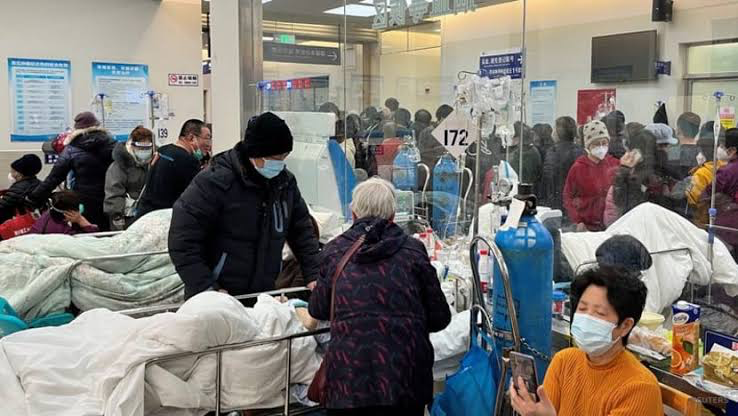
The World Health Organisation (WHO) has again warned that COVID-19 is still a global health threat and that it is not time to declare the pandemic over.
WHO director-general Tedros Ghebreyesus said this in a statement on Monday while commenting on the outcome of the COVID Emergency Committee meeting held on Friday.
“There is little doubt that this virus will remain a permanently established pathogen in humans and animals for the foreseeable future,” the committee said. “It is three years since COVID-19 was declared a public health emergency of international concern. The novel coronavirus (2019-nCoV) was first reported in Wuhan, China, on December 31, 2019.”
The WHO chief said that although the world was in a better position than a year ago when Omicron infections surged, more than 170,000 COVID-19-related deaths had been reported globally in the last eight weeks.
Mr Ghebreyesus noted again that surveillance and genetic sequencing of the coronavirus had declined globally, making it more difficult to track known variants and detect new mutations.
He warned that health systems struggled to treat many COVID-19 patients and others with influenza and respiratory infections amid staff shortages and health worker burnout.
The UN health agency chief also insisted that vaccines, therapeutics and diagnostics remained critical in preventing severe disease, saving lives and taking the pressure off health systems and health workers globally.
Despite their proven worth, he said that the COVID-19 response remained “hobbled” in too many countries that cannot provide these tools to the populations most in need, older people and health workers.
Globally, more than 752.5 million confirmed cases of COVID-19, including 6.8 million deaths, were reported to WHO’s coronavirus dashboard. At the WHO meeting of the Emergency COVID Committee, participants heard that globally, 13.1 billion doses of COVID-19 vaccines have now been administered, with 89 per cent of health workers and 81 per cent of older adults (over 60) completing the primary series.
Committee members expressed concerns about insufficient vaccine uptake in low and middle-income countries, as well as in the highest-risk groups globally, and the uncertainty associated with emerging variants.
They also recognised that “pandemic fatigue” and the impression of reduced risk “have led to drastically reduced use of public health and social measures, such as masks and social distancing.”
The UN health agency recommended that countries remain vigilant and continue reporting surveillance and genomic sequencing data to WHO.
“Appropriately targeted” public health and social measures should also be implemented where necessary, and the most vulnerable communities should be vaccinated to minimise severe disease and deaths,” the WHO meeting noted.
The Emergency Committee explained that although the Omicron variants circulating globally remained highly transmissible, infection no longer necessarily means that severe disease will follow, compared to earlier coronavirus variants of concern.
(NAN)

We have recently deactivated our website's comment provider in favour of other channels of distribution and commentary. We encourage you to join the conversation on our stories via our Facebook, Twitter and other social media pages.

More from Peoples Gazette

States
Independence: NBA urges Nigerians to expect better future
The NBA said that ordinary Nigerians should be deriving benefit from the subsidy removal rather than hardship.

Agriculture
FG tasks ECOWAS on leveraging financing strategies for agroecology
The federal government has urged stakeholders in the agriculture and finance sectors in the West Africa region to leverage financing strategies to enhance agroecology practices

Politics
Katsina youths pledge to deliver over 2 million votes to Atiku
“Katsina State is Atiku’s political base because it is his second home.”
States
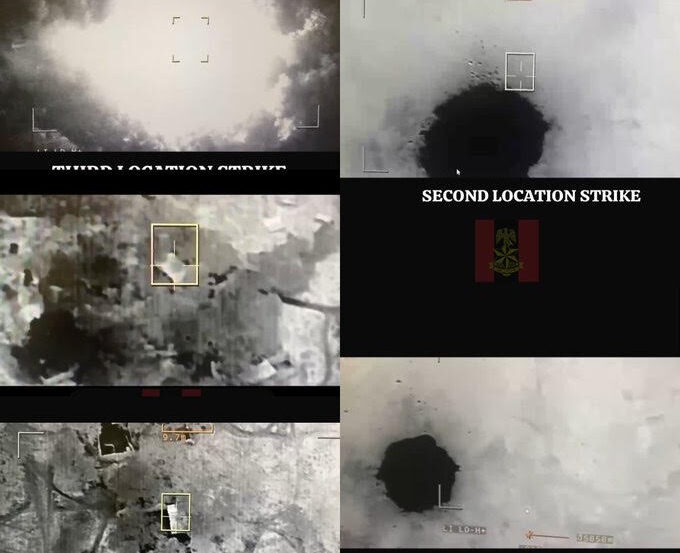
Troops kill 16 suspected ISWAP members in Borno
The statement said the operation was conducted using air and ground weapon systems.

States
Adamawa: Tompolo mobilises support for Tinubu’s 2027 re-election
He described Mr Tinubu as a courageous leader who prioritised the interests of Nigeria.

Heading 1
Trump offers $1 million reward to anyone reporting voter fraud
On Monday, 48 foreign nationals were charged with illegal voting and other election-related crimes.

Education
OAU resumes new academic session November 1
The school noted that registration for newly admitted students would begin on November 2.

Heading 5
Apple’s first foldable iPhone draws complaints over cracked screens
Apple released the iPhone Duo, its first foldable phone, earlier this year.

Sport
Lamine Yamal wins ‘Men’s young talent of the year’
The Spanish and Barcelona star played a key role in Spain’s World Cup victory.


