

Sikkim: Indian government offers families money, nannies, paternity leave to have more babies

Despite the growing population in India, the Sikkim government is paying families and giving out childcare benefits to encourage women in the northeastern state of India to have more babies.
The extinction among Sikkim people in India is pushing the government to pay for the essential needs of babies to encourage families to have more than two children.
India’s population is growing, with about 1.4 billion people, while Sikkim’s demography is declining due to the financial struggle among people of the ethnic group.
Traditionally, women in Sikkim have enjoyed more privilege than in many other rural parts of India, where women focus on child-rearing.
The government in the northeastern state want couples to have at least three children.
According to The New York Times, government statistics show that women in Sikkim have 1.1 on average during their reproductive years, well under the national rate of two and below the 2.1 needed to maintain a steady population without migration.
The report said the government was assisting couples struggling to bear children with partial payment of in vitro fertilisation treatment.
The government also offers families a monthly stipend, one-year maternity leave, 30 days paternity leave, payment of nannies’ salaries and increased salaries for civil servants.
Alok Vajpeyi, an official at the Population Foundation of India, said Sikkim ethnic group desperately needs more children or “see their culture vanish.”
“They have to either see their culture vanish or lure people to have more children to keep it alive,” said Mr Vajpeyi.
However, many women belonging to the ethnic group struggle with IVF due to the myths that the babies spend nine months in incubators “plastic” instead of the mother’s uterus.

We have recently deactivated our website's comment provider in favour of other channels of distribution and commentary. We encourage you to join the conversation on our stories via our Facebook, Twitter and other social media pages.

More from Peoples Gazette

States
Independence: NBA urges Nigerians to expect better future
The NBA said that ordinary Nigerians should be deriving benefit from the subsidy removal rather than hardship.

Agriculture
FG tasks ECOWAS on leveraging financing strategies for agroecology
The federal government has urged stakeholders in the agriculture and finance sectors in the West Africa region to leverage financing strategies to enhance agroecology practices

Politics
Katsina youths pledge to deliver over 2 million votes to Atiku
“Katsina State is Atiku’s political base because it is his second home.”

Heading 5
Gov Oyebanji reappoints SSG, chief of staff, spokesperson
The reappointments followed Mr Oyebanji’s inauguration for a second term in office.

Anti-Corruption
Witness tells court how NDC Reps candidate Duruibe allegedly defrauded him of N239 million
Ms Duruibe emerged as the House of Representatives candidate for Okigwe South Federal Constituency in June.

Heading 2
Nasarawa assembly warns contractors against substandard road projects
The committee chairman commended the contractors for the work done so far.
States
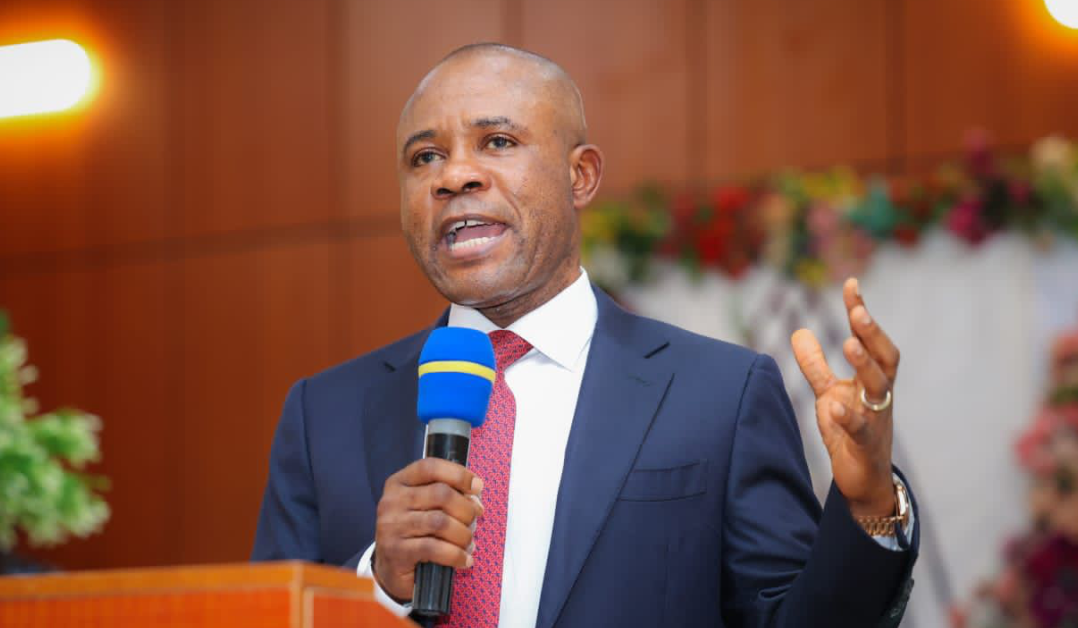
Enugu approves payment of N32 billion gratuity arrears from 2000
The SSG said the payments would begin with an initial release of N10 billion.
Africa
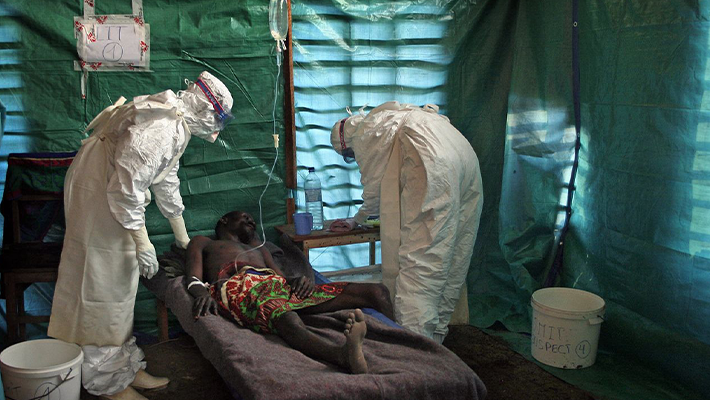
WHO urges vigilance in Kenya after second Ebola case
WHO underlined the importance of appropriate screening to identify travellers who might pose a health risk.
Uncategorized
UK warns citizens against all travel to Sokoto
The directive marked Bauchi State for essential travel only.


