

Market Watch: Cooking gas hits N8,000 per 12.5kg; Charcoal N3,500 per bag; Kerosene N335 per litre

A market survey by Peoples Gazette on Sunday has indicated a sharp surge in prices of cooking gas, charcoal and kerosene, putting the essential fuels, used in most Nigerian households, beyond the reach of many.
Checks by The Gazette across markets around Nigeria showed that one kilogramme of cooking gas now sells for between N560 to N640, summing up to between N7,000 to N8,000 for a 12.5kg cylinder.
A bag of charcoal sells for an average price of N3,500 across major markets while a litre of kerosene is sold for an average price of N335 at filling stations. Charcoal and kerosene are commonly used among poorer households in Nigeria.
The Gazette reports that the price hike of these cooking fuels has become a source of worry in many homes as it becomes more unaffordable relative to their incomes. This is aside from the rising costs of foodstuffs which have been on the increase in recent months. Food inflation rose to 21.03 in August, per data from the National Bureau of Statistics.
The price of cooking gas, which is not regulated by the government, has been on a month-to-month increase. The commodity increased by 3.44 per cent in August from an average price of N380 per kilogramme in May. In April, cooking gas was sold for N280 per kilogramme, but it jumped to N400 per kilogramme in June. Later in July it was sold for N460 per kilogramme.
Nigeria is the sixth-biggest liquefied natural gas exporter. In June, 206.53 trillion cubic feet of natural gas was extracted in Nigeria. Meanwhile out of the 85,264.803 metric tons of domestic gas supplied to the population, 47,224.346 metric tons (60 per cent) is being imported from other countries (Algeria, Equatorial Guinea and United States), while 38,040.457 metric tons are sourced locally.
In August, the Petroleum Products Pricing Regulatory Agency reported that the volume of Liquefied petroleum gas supplied to the population fell by 20.5 per cent as compared to previous months.
Among factors which affect the price of cooking gas in Nigeria are low supply of gas, gas flaring, implementation of 7.5 per cent value-added-tax on import LPG, and impact of forex on local production of cooking gas.
Alternatives to cooking gas -charcoal and kerosene- have also encountered inflation. A bag of charcoal which was sold for about N1,500 earlier in the year has had its price more than doubled. Marketers blame climate change, insecurity and value added tax for the hike.
For kerosene, which has been deregulated since 2016, soaring inflation means its price keeps surging from month-to-month. Forex crunch also affects its importation cost as it is with cooking gas.
On Saturday, the Executive Secretary of the National Association of LPG Marketers, Bassey Essien, warned that the price of cooking gas may reach N10,000 for a 12.5kg cylinder in December, if nothing is done about the supply shortage, Punch reports.
Recently, the Chief Executive Officer of Nigeria National Petroleum Corporation, Mele Kyari attributed the high cost of cooking gas to under-supply and delay in shipment into the country, saying that efforts are being made by NNPC to improve gas supply and local production.
In September, the House of Representatives set up a special committee to investigate the hike in cooking gas and food prices.

We have recently deactivated our website's comment provider in favour of other channels of distribution and commentary. We encourage you to join the conversation on our stories via our Facebook, Twitter and other social media pages.

More from Peoples Gazette

States
Independence: NBA urges Nigerians to expect better future
The NBA said that ordinary Nigerians should be deriving benefit from the subsidy removal rather than hardship.

Agriculture
FG tasks ECOWAS on leveraging financing strategies for agroecology
The federal government has urged stakeholders in the agriculture and finance sectors in the West Africa region to leverage financing strategies to enhance agroecology practices

Politics
Katsina youths pledge to deliver over 2 million votes to Atiku
“Katsina State is Atiku’s political base because it is his second home.”

Heading 5
Police warn Nigerians against online scams, urge protection of personal information
Mr Ezima said the fight against cybercrime required more than arrests and prosecutions.
Heading 2
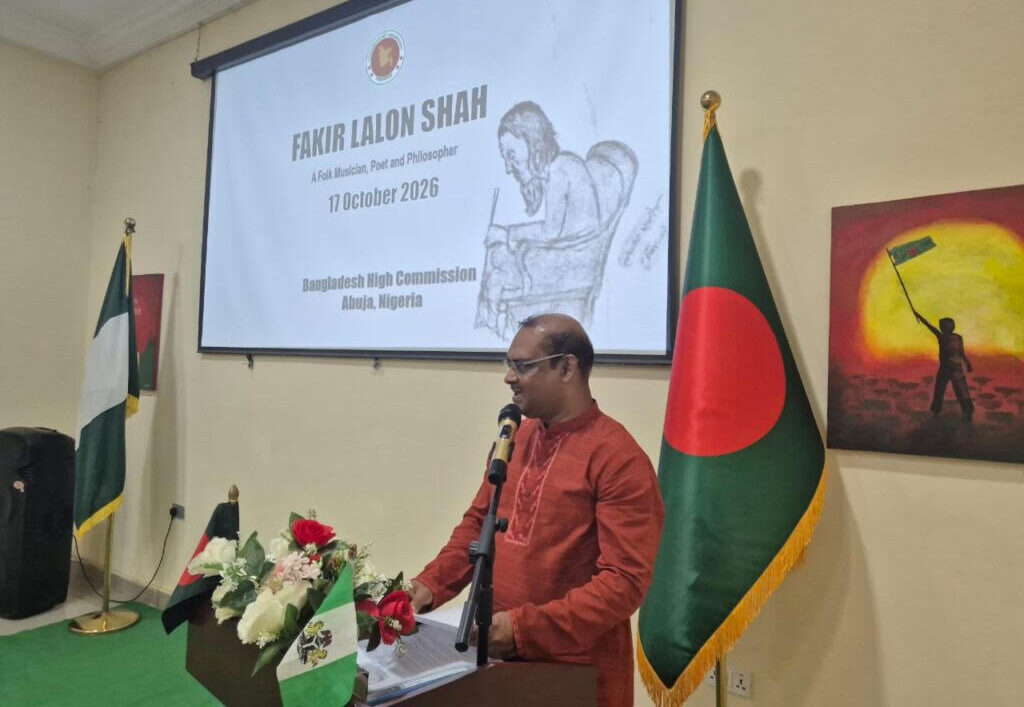
Nigeria, Bangladesh can strengthen cultural ties through music, says envoy
Mr Kabir said Lalon’s emphasis on self-knowledge offered lessons for young people navigating the internet.

NationWide
2027: North will deliver over 70 per cent of votes for Tinubu, Yilwatda says
Mr Yilwatda described the 2027 presidential election as an opportunity to renew Mr Tinubu’s mandate.

Diaspora
Runsewe urges Nigerians in diaspora to respect host countries’ laws
Mr Runsewe said the Netherlands incident was a hangover of Nigerian culture in a foreign land.

Heading 2
Tinubu’s economic reforms yielding results despite doubts: Bagudu
Mr Bagudu described Mr Tinubu as a visionary leader whose decisions demonstrated courage and commitment to national development.

Sport
Flamingos lose 2-1 to Poland in FIFA U-17 Women’s World Cup opener
Poland’s Natalia Skrok made it two in the second half when Blanka Zajac, in the 65th minute, crossed into the Nigerian penalty area.


